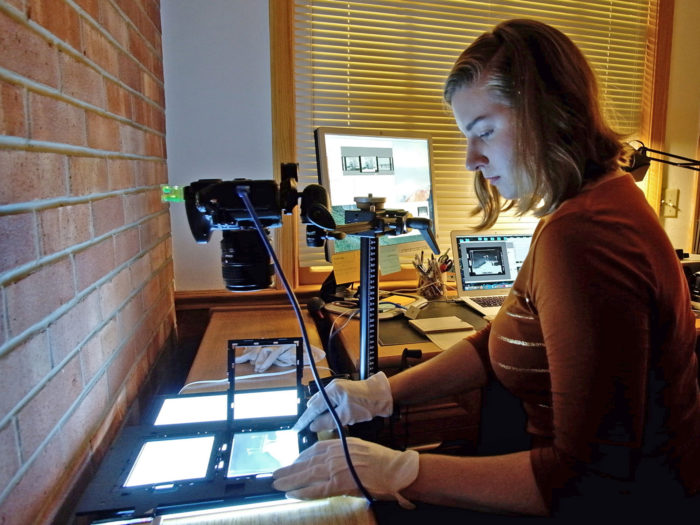
About the archive
The Center cares for nearly 700,000 photographs in our Railroad Heritage Visual Archive under the leadership of Adrienne Evans, director of archives and collections. Our goal is to build a representative archive encompassing the many styles and subjects of railroad photography and art—from their beginnings in the early decades of the nineteenth century to the present, and from throughout the United States and the globe. Standing commitments (as of 2026) will push the total number of images to 1.1 million in the future, while we continue to review and consider new submissions and acquisitions. Our mission is to preserve these images and make them accessible.
Collection processing status
| Collection | Status |
|---|---|
| Keith Bryant | In progress: 25% complete |
| Shirley Burman | Women and the American Railroad series to commence in 2027 |
| Tom Gildersleeve | Estimated start: fall 2026 |
| Gordon Glattenberg | Estimated start: fall 2026 |
| John Gruber | Negatives complete; slides up next |
| Stan Kistler | Slides complete; Middlebrook series positing in progress |
| David Mainey | Additional digitization and posting: 40% complete |
| Henry Posner III | Processing complete; posting in progress |
| Jim Shaughnessy | Negatives complete; 83% of slides complete |
| Richard Steinheimer | In progress: 82% of slides complete |
| Karl Zimmermann | Images onsite complete; posting in progress |
Last updated: August 2026
Collection updates
-
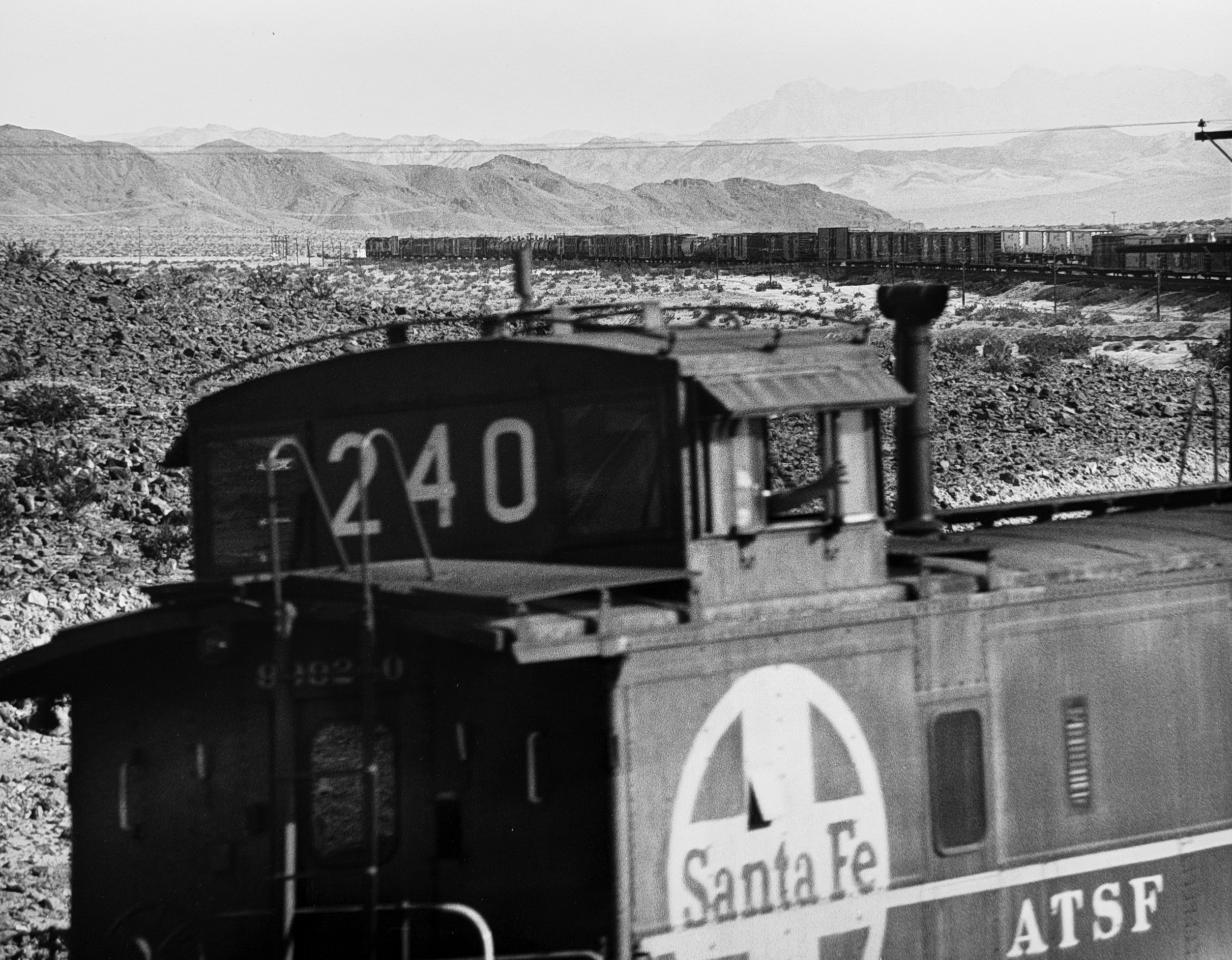
Collection Tracking: California’s Mojave Desert with Richard Steinheimer
“For the Santa Fe there is always the desert,” wrote Richard Steinheimer in the August 1977 issue of Trains. That line opened his landmark photo essay, “Mojave Crossing,” which explored the wild and remote land of the Mojave Desert, and Santa Fe’s busy Needles District between Barstow and Needles, California.
-
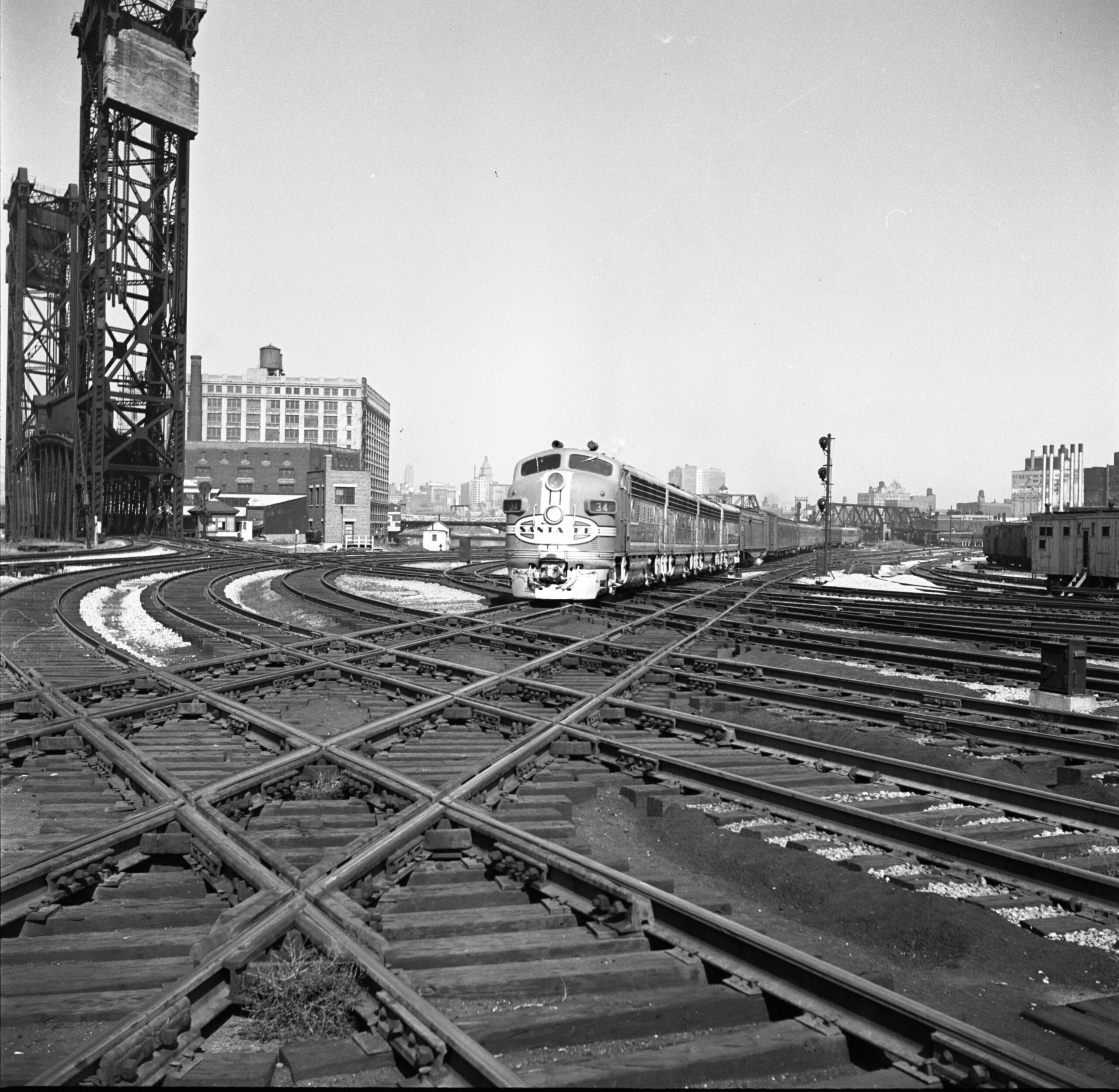
Collection Tracking: Chicago’s 21st Street with Wally Abbey
Chicago is the railroad hub of North America and the most-represented city in the archives of the Center for Railroad Photography & Art. We’ll likely return to the Windy City several times over the course of this blog; for this initial look, the focus is 21st Street Crossing and the photography of Wallace W. Abbey.
-
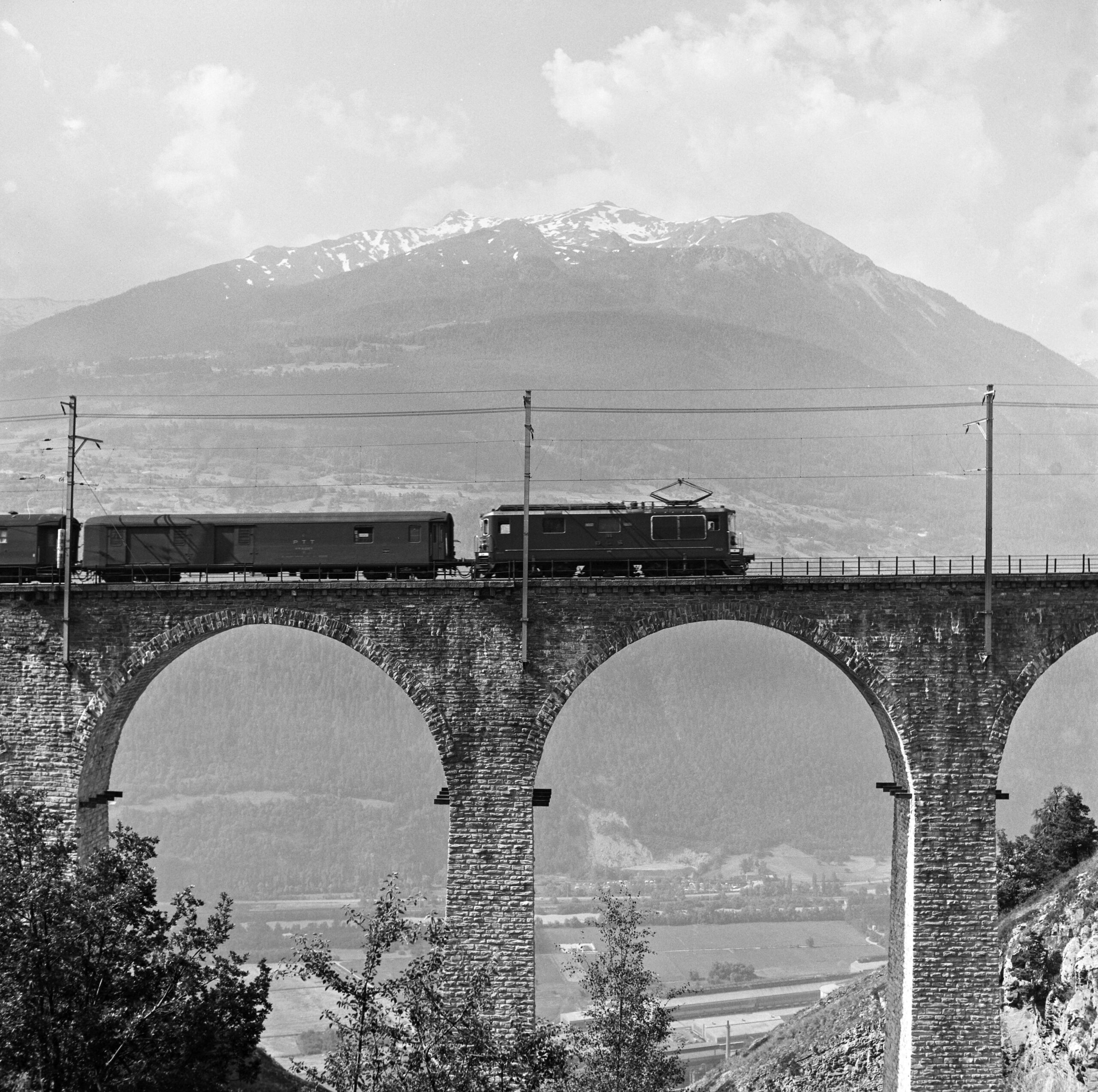
Collection Tracking: Switzerland’s Lötschberg Pass with Karl Zimmermann
On July 13, 1977, Karl Zimmermann disembarked from a Bern-Lötschberg-Simplon (BLS) train at Hohtenn, a lonely station on the southern flank of Switzerland’s Bernese Alps. The station sits 800 feet higher than the village it serves, a necessity dictated by the railway’s 2.3% climb out of the Rhône Valley toward the southern portal of the…
Collection visualizations
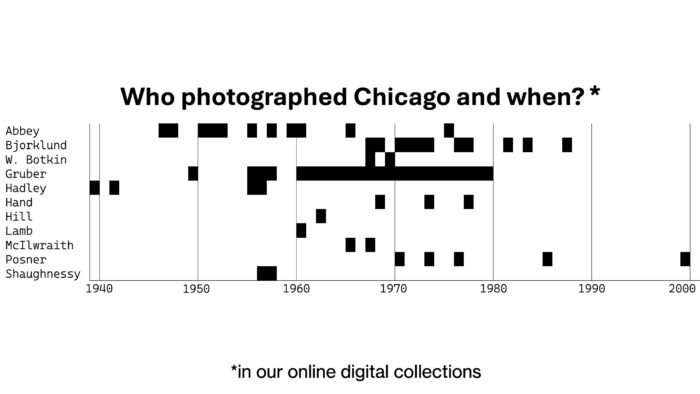
As our digital collections grow, we can use their metadata to say more about them while also identifying trends, strengths, and gaps within our archive. Jordan Craig, digital archives manager, shared both of these graphics at our Conversations 2026 conference. The video shows current photographic coverage of states by decades, while the chart looks at coverage of Chicago—the most photographed location in our archive—by photographer and year. Note that both graphics represent images in our (external) online digital collections portal.
Collection processing procedures
The Center’s Railroad Heritage Visual Archive is a professional archive repository whose personnel follow established archival principles while caring for our collections. Our archivist supervises work performed by other archives staff members, contract archivists, graduate interns, and volunteers to ensure the materials in our possession receive proper care.
A newly-acquired collection goes through several phases, collectively known as processing:
Phase 1: Arrangement and Description
This is the initial planning phase for any collection where we get familiar with its materials. In this phase we will begin to organize the collection and create an inventory along with any information that can be used in a finding aid.
Phase 2: Processing
This phase involves long, tedious legwork but is essential in the general preservation and accessibility of the collection. Once the collection is organized we can apply labels to binders and pages while correctly matching up the physical materials with a digital inventory that will include metadata.
Phase 3: Metadata and Finding Aid
Metadata, or data about data, are necessary to fully understand the materials in our collections. At the Center we record detailed metadata and embed that raw data into any digitized materials. Once we have finished processing a collection we can create a detailed and cohesive finding aid. This is the best way for our users to understand the scope and content of a collection.
Phase 4: Accessibility
In the final phase, we strive to make our collections available to the public and searchable online via finding aids. Throughout the previous phases the Center will attempt to provide previews of collections online as they are processed.
We’re able to do this work thanks to the generosity of our community.
- Multi-year support from the Elizabeth Morse Genius Charitable Trust has helped us build up every aspect of our collections work, from expanding our space, to adding more staff, to implementing our collections management system.
- Heritage grants from the National Railway Historical Society help fund our work on the John E. Gruber Collection and the Richard Steinheimer and Shirley Burman Steinheimer Collection.
- Thanks to the Railway & Locomotive Historical Society’s William D. Middleton Research Fellowship, we’ve been able to fill in more metadata for many of our collections.
- Our more than 1,000 members empower all of our programs through annual memberships and additional gifts. If you’re already a member, thank you. If you’re not, join now and begin receiving quarterly issues of our beautiful journal, Railroad Heritage.