Trains Around the World
Railroad Photographs by Fred M. Springer
An exhibition of color photography portraying the wide variety and diversity of railroads across much of the globe.
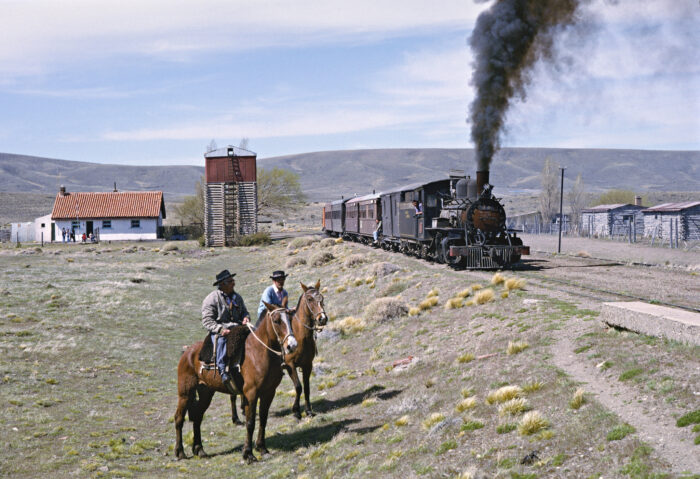
Lead image: Two men on horseback greet the Old Patagonia Express (La Trochita) at the remote station of Fitalancao, Argentina, on October 29, 1995. Photograph by Fred M. Springer, Springer-CHI-ARG1-09-13
The exhibition Trains Around the World: Railroad Photographs by Fred M. Springer seeks to capture the spirit of Springer’s work and showcases his rail imagery from all six inhabited continents. The selection of images reveals a commonality of human technology across cultures and nations through the enduring railroad industry. Springer created a visual record of the decline and rebirth of railroading in the United States, while internationally captured the juxtaposition of rail technology in less-developed parts of the globe.
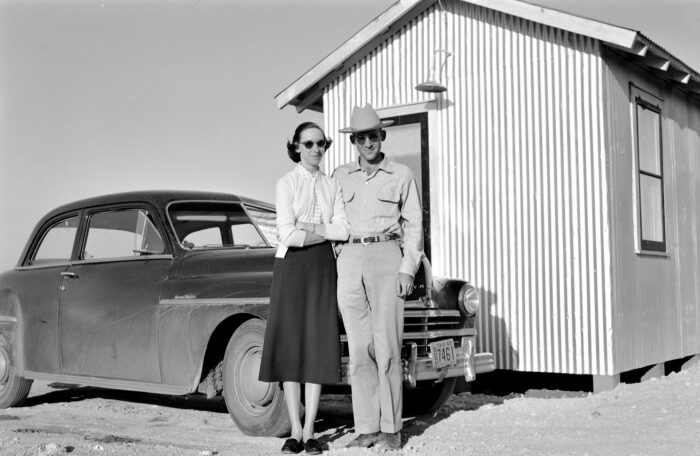
Fred Springer expertly distinguished himself within the field of railroad photography by extending his lens outside the bounds of North America. In the 1950s, many photographers committed to documenting the final curtain of the steam era in the United States. While Springer certainly played his role in capturing the end of steam locomotives and the emergence of diesel, he likewise looked to document the importance of rail transportation across the globe. Notably, Springer made several trips to Mexico in the 1960s to capture surviving steam operations that persisted as normal tenants of daily life across more rural nations. From the 1980s through the early 2000s Springer captured the important role of rail transportation in countries from South America to South Africa.
Born in 1928 in Washington, D.C., Springer grew up in Houston. He spent his career with Mobil Oil and his life with his wife Dale from thirty years in Salado, Texas. Springer first aimed his camera at railroads in the 1940s. His early subjects were narrow-gauge lines in the Rocky Mountains of Colorado and New Mexico, and they would remain his favorites for his entire life. The record of Springer’s work in the United States serves as a visual documentation of the decline and rebirth of railroading in the country. His 1964 view at Baltimore’s Camden Station hints at an industry on the brink of demise, but his photographs of Santa Fe Railway in the 1990s portray railroading’s full reversal of fortunes with modern diesels hauling long trains of mixed freight and intermodal cars carrying truck trailers and shipping containers.
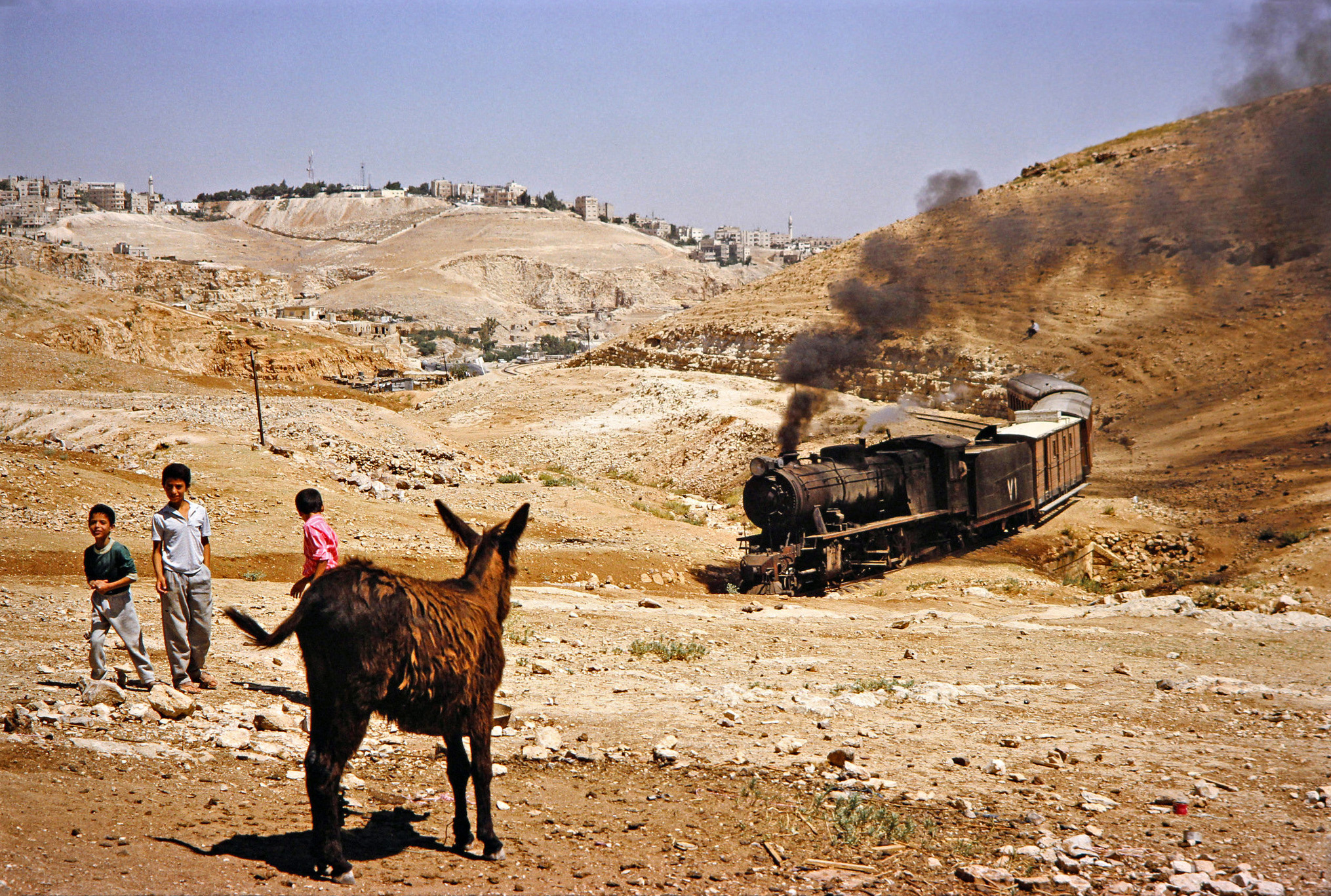
Springer’s international views, on the other hand, reveal stark contrasts of rail technology across the world. Outdated trains running on marginal tracks in South America made for evocative photography but also spoke about decades of under-investment. Some of these lines, like the Guayaquil & Quito in Ecuador, have since been revitalized, but others have faded even more. In Europe, modern electric railways display a greater emphasis on passenger trains compared to the freight-focused network of the United States railroads.
Springer’s amazing and singular collection of railroad photography came to the Center for Railroad Photography & Art along with astonishing financial generosity on behalf of his wife Dale, which guaranteed the preservation and availability of over 56,000 slides and negatives of edification and pleasure for generations to come.
About the exhibition
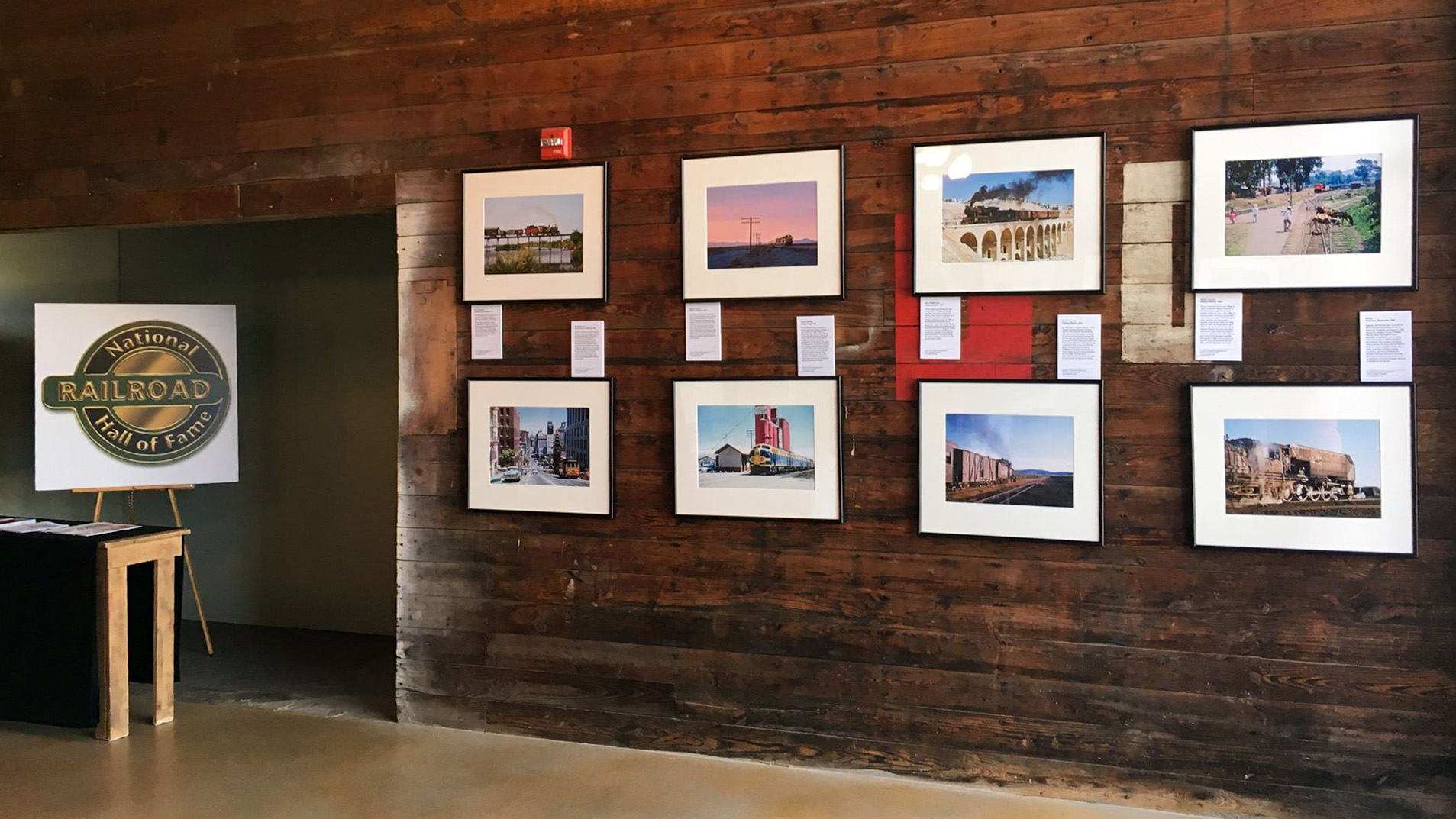
Installation of Trains Around the World at the Prairie Players Civic Theater and in conjunction with the National Railroad Hall of Fame in Galesburg, Illinois, in 2016. Photograph by Julie King
Hosting the traveling exhibition
This exhibition is no longer in circulation.
About the Exhibition
- 33 color prints
- 20 x 24 inches, matted and framed
- One introductory panel and 33 exhibition labels
- 165 linear feet, total
Previous Venues
- Naples Depot Museum, Naples, Florida, Summer 2019
- Prairie Players Civic Theater for the National Railroad Hall of Fame in Galesburg, Illinois, Summer 2016
- Temple Railroad and Heritage Museum, Temple, Texas, Winter 2016
In gratitude
Fred and Dale Springer donated Fred’s photography along with a generous bequest to fund its archival processing and production of this exhibition while seeding the growth and professionalization of our collections work.